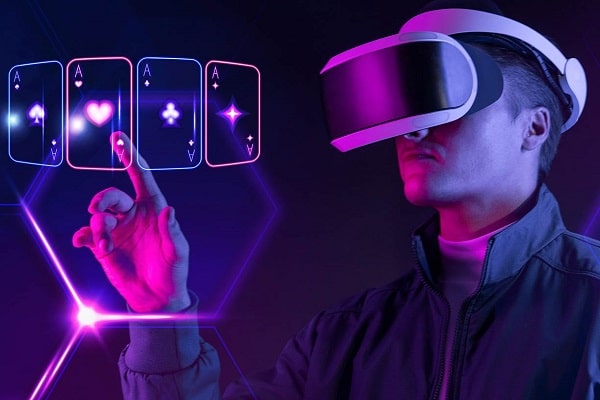
The Evolution of Roulette in a Virtual World
The global gambling landscape has witnessed numerous changes, with technology continually reshaping how games are played and experienced. The latest major development has been driven by Virtual Reality (VR). Among traditional casino games, roulette has undergone a particularly notable transformation, bringing players closer than ever to the atmosphere and interaction of a land-based casino.
Over the years, gambling has transitioned from traditional brick-and-mortar casinos to online platforms and then to live casino sessions with real dealers. Now, VR has started to push the envelope even further. With VR, players can virtually walk into a casino, interact with the environment, and enjoy an immersive experience. The sights and sounds of a real casino can now be experienced from the comfort of one’s home.
What Gambling Games Will be Transferred to VR?
While VR roulette is making significant strides, it isn’t the only game set to transition to this immersive platform.
- Poker: Imagine sitting at a virtual table, reading the tells and body language of your opponents, or even engaging in friendly banter.
- Blackjack: Instead of clicking buttons on a screen, players can virtually gesture to hit or stand, making the game more intuitive.
- Slots: The vibrant visuals and sounds of slot machines can become more engaging than ever in a VR environment.
However, adapting every casino game for virtual reality is a gradual and technically demanding process. Developers must redesign controls, menus, table layouts, and player movement so that they remain intuitive inside a headset rather than simply copying a conventional screen-based version. Each title also requires performance optimisation, compatibility testing across different devices and controllers, and careful checks for comfort, accessibility, stable frame rates, and reliable multiplayer functions. Because these requirements vary from one game to another, recreating a complete casino floor in VR is likely to happen in stages rather than through a single, immediate transition.
How the Game of Roulette Blossomed with the Advent of VR Roulette
The essence of roulette lies in the suspense as the ball spins and gradually comes to rest. VR technology intensifies this experience. Players can lean in to watch the ball, walk around the table, or even chat with fellow players. Unlike live roulette, where the player is still a passive observer, VR roulette provides an active engagement that replicates the real-world feel.

Advantages and Disadvantages of VR Roulette
Advantages:
- Immersive Experience: VR roulette offers an unparalleled gaming experience, making players feel like they are at a real casino.
- Social Interaction: Players can interact with others, fostering a sense of community and shared excitement.
- Detailed Environment: Every detail, from the texture of the roulette table to the ambient sounds, is meticulously crafted.
Disadvantages:
- Equipment Costs: To enjoy VR roulette, players need a VR headset, which can be an added expense.
- Technical Glitches: As with all technology, there can be occasional hiccups or lags.
- Health Concerns: Prolonged use of VR can cause eye strain or dizziness for some individuals.
Conclusion
VR roulette reflects the continuing evolution of gambling by narrowing the gap between digital play and the physical casino experience. As VR hardware and software become more sophisticated, virtual environments are gaining greater realism, responsiveness, and depth, giving players access to experiences that only recently seemed confined to science fiction.